Introduction to Web Development: Basic Concepts, Technologies, and Their Importance
Web development is a fascinating and constantly evolving discipline that has transformed the way we interact with the digital world. From creating simple static pages to complex web applications, web development encompasses a wide range of techniques and technologies that allow developers to create dynamic and interactive experiences for users.
What is Web Development?
The concept of web development refers to the process of creating and maintaining websites accessible via the internet. It encompasses both the technical structure and the visual design and user experience.
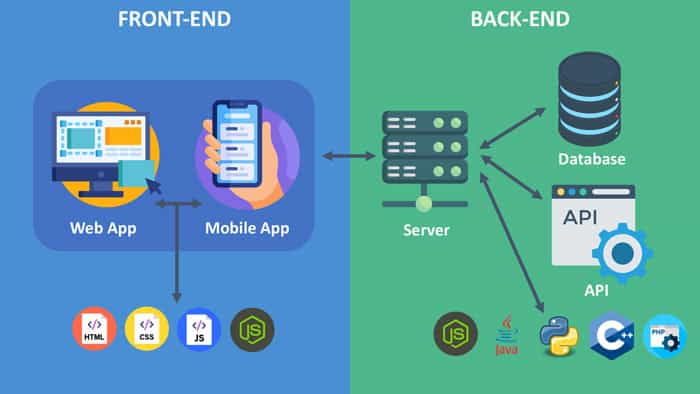
Web development includes aspects such as web design, web content creation, client/server-side programming, and network security configuration. Web development can be divided into two main categories: frontend and backend.
Basic Web Development Technologies
Web Browser
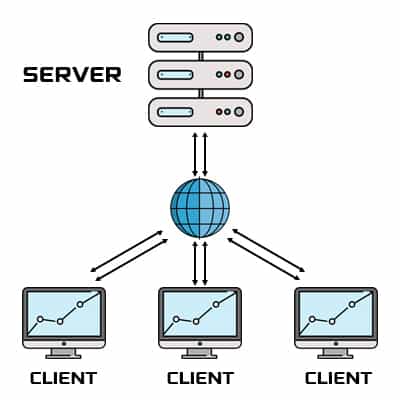
A web browser is a computer program that runs on the user's computer. It provides an interface for sending requests to the server. It graphically displays the web pages sent by the server.
Web Server
A web server is a system that operates 24/7 to deliver the web pages requested by users. To create a server, we first code in a programming language like Node.js and then host/move it remotely on a cloud server service such as GitHub, Versel, etc.
Web Protocols
Web protocols are standardized rules that govern the transfer of data between devices on the Internet. For example, HTTP (Hypertext Transfer Protocol) and HTTPS (Hypertext Transfer Protocol Secure) are protocols that allow data transfer between the browser and the server.

Databases
Databases are where website data is stored. For example, user data, product data, etc. Some popular databases are Oracle Database, MongoDB, etc.
Frontend Technologies (Client-Side)
These are the foundation of any website and run directly in the user's browser:
-
HTML (HyperText Markup Language): This is the standard markup language for creating web pages. It is used to structure the content of a page (titles, paragraphs, images, links, etc.) using tags. It's like the skeleton of the website.
-
CSS (Cascading Style Sheets): This is the style sheet language used to describe the presentation of a document written in HTML. With CSS, you control the design, colors, fonts, spacing, layout, and overall visual appearance of the web page. It's like the "skin" and "clothing" of the website.
-
JavaScript: This is a programming language that allows you to add interactivity and dynamism to web pages. With JavaScript, you can create visual effects, validate forms, manipulate HTML elements, load content asynchronously (AJAX), and much more. It's like the "brain" and "muscles" of the web.
Backend Technologies (Server-Side)
Backend development involves the logic, database, and other operations that take place behind the scenes to make web servers function efficiently. Backend development refers to the server-side development of the web application. It's the part of the application where the server and database reside, and where the logic for performing operations is built. It includes the main features and functionalities of the application on the server. Programming languages for backend development are primarily Node.js (for JavaScript), Django (for Python), Spring (for Java), and others.
Importance of Web Development
Web development is crucial for several reasons:
1. Accessibility and Global Reach
Websites allow businesses and organizations to reach a global audience. No matter where you are, as long as you have internet access, you can access information on a website.
2. Interaction and Communication
Websites provide a platform for communication and interaction. Whether through contact forms, comments, or live chat, websites allow users to interact with businesses effectively.
3. Professional Growth
Learning web development opens many career opportunities. Web developers are in high demand in today's job market, and the skills acquired can be applied to a variety of roles in technology.
4. Innovation and Creativity
Web development fosters innovation and creativity. It allows developers to experiment with new technologies and methods to create unique and innovative user experiences.
5. Adaptability and Flexibility
Websites can adapt and evolve according to business needs and market demands. This includes the ability to update content, implement new features, and improve the user experience.
6. Economic Impact
E-commerce is one of the biggest areas of impact for web development. E-commerce websites allow businesses to sell products and services online, which can significantly increase revenue and expand business reach.
First Steps in Web Development
To begin with web development, it is important to familiarize yourself with the basic technologies:
- HTML (HyperText Markup Language): The standard language for creating web pages.
<!DOCTYPE html>
<html lang="es">
  <head>
    <meta charset="UTF-8" />
    <meta name="viewport" content="width=device-width, initial-scale=1.0" />
    <title>Ejemplo de Código HTML</title>
  </head>
  <body>
    <!-- Encabezado principal de la página -->
    <h1>Bienvenido a mi página web</h1>

    <script src="script.js"></script>
    <!-- Enlace al archivo JavaScript -->
  </body>
</html>
- CSS (Cascading Style Sheets): Used to design and format the presentation of a web page.
/* Estilos generales */
body {
  font-family: Arial, sans-serif;
  background-color: #f4f4f4;
  color: #333;
}
- JavaScript: A programming language that allows you to create interactive content on web pages.
function cambiarTexto() {
  document.getElementById("demo").innerHTML = "¡El texto ha cambiado!";
}
Frequently Asked Questions about Web Development
What is basic web development? It's the initial stage where you learn to create simple pages using HTML, CSS, and JavaScript.
Why is it important to learn web development today? Because it allows you to create accessible solutions, work remotely, and participate in the global digital transformation.
What technologies are used in current web development? Primarily web browsers, servers, protocols, databases, and frontend/backend technologies.

In the following chapters, we'll explore these concepts in detail, starting with the basic structure of a web page using HTML. You'll also learn how to style your pages with CSS and how to add interactivity with JavaScript.
-
A bit of history: A brief history of HTML, CSS, and JavaScript
-
Development environment: Development environment setup
-
More about web development: Wikipedia web development.